
Informazioni su Norman Granz
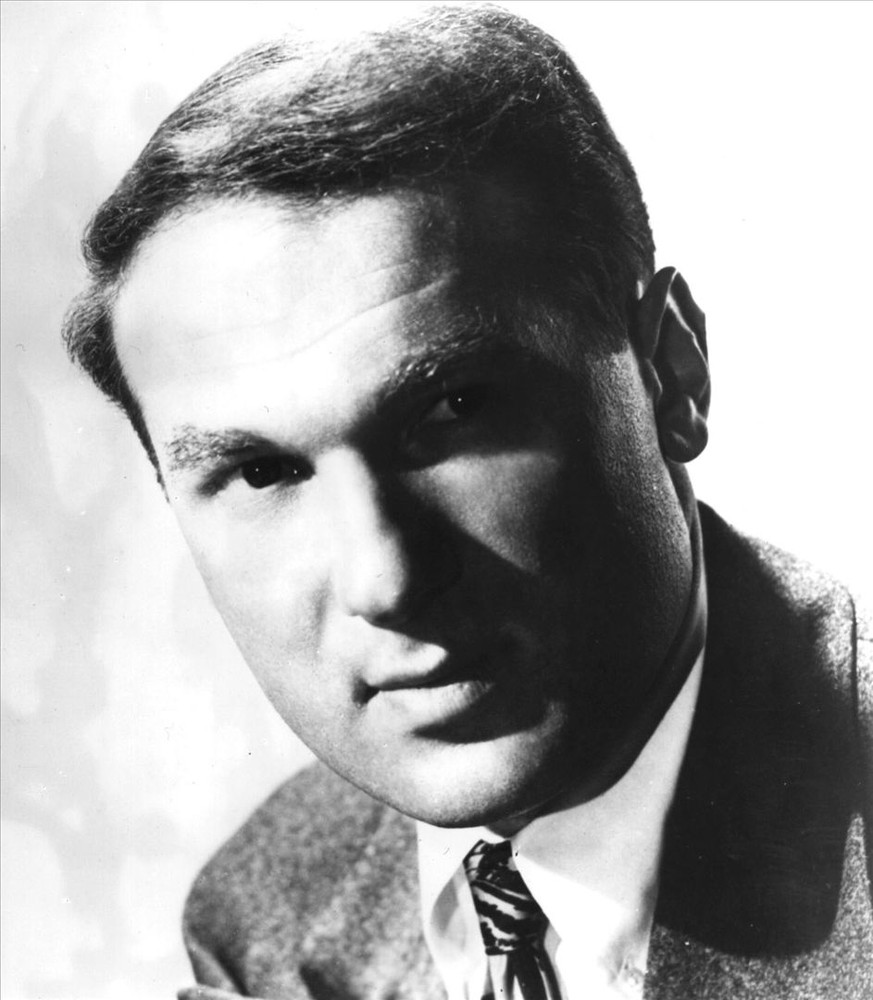
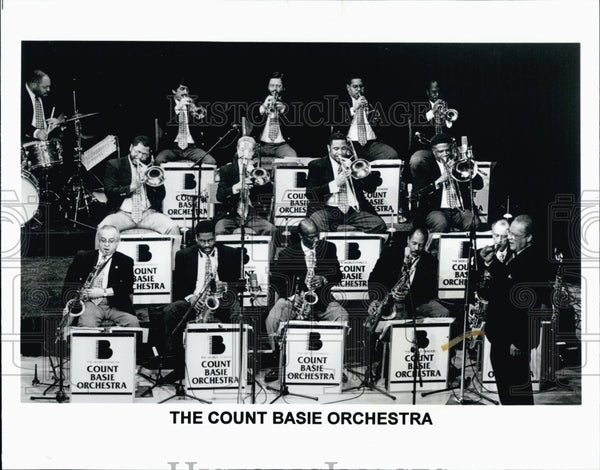
At the height of his career, Norman Granz was one of the most powerful non-musicians in jazz. He always fought for the music he believed in (having a love for freewheeling jam sessions), for his artists (whom he accurately considered to be among the greatest in the world), and against racism, forcing many hotels and concert venues to become integrated in the 1940s and '50s. He studied at UCLA, served in the Army, and then, in 1944, began to make an impact on jazz. Granz supervised the award-winning film short Jammin' the Blues (which featured Lester Young) and put on a concert at the Philharmonic Auditorium in Los Angeles that he dubbed Jazz at the Philharmonic. The latter was such a big success that soon Granz was able to take the all-star jam sessions on domestic and eventually world-wide tours. The producer loved to team together top artists from the bop and swing worlds in "battles" and, although these rousing concerts were often criticized by conservative and somewhat humorless jazz critics, the jams resulted in a great deal of rewarding music. Not content with merely presenting concerts, Granz often recorded the performances even though, at 10-15 minutes, they were too long for a conventional three-minute 78. Granz founded Clef (1946) and Norgran (1953), eventually consolidating his music when he founded Verve in 1956. The rise of the LP in the early '50s was perfect timing, and Granz was able to release many JATP performances on records. In addition to his work as a record company head and a concert promoter, Granz managed Ella Fitzgerald, and in 1956, he largely started Verve as a label to feature her recordings. Among the many other artists who prospered in the '50s due to Granz were Oscar Peterson (whom he discovered and managed), Lester Young, Roy Eldridge, Dizzy Gillespie, Art Tatum, Count Basie, and Ben Webster. By the late '50s JATP was drastically slowing down, and in 1960, Granz sold Verve to MGM. He functioned mostly as a concert promoter and the manager of Fitzgerald and Peterson in the '60s, but in 1973, he returned full-force to the record business, founding the very successful Pablo label. Many of Granz's favorite artists had had erratic recording careers in the '60s (including Ella, Basie, Roy Eldridge, and Dizzy Gillespie) but the rise of Pablo resulted in their discographies being uplifted and greatly expanded. Granz extensively recorded his artists (including Joe Pass who soon found fame, Zoot Sims, Sarah Vaughan, Eddie "Lockjaw" Davis, and especially Oscar Peterson), emphasizing the spontaneity of jam sessions. The number of Pablo releases slowed down during the '80s and in 1987, Granz sold the label to Fantasy where most of his sessions were eventually reissued on CD. Norman Granz retired to Switzerland, having greatly helped the music he loves. He died in Geneva from complications of cancer on November 22, 2001.
Social

Discografia
Perdido
Singolo1953

How High The Moon
AlbumNaN

Norman Granz' Jazz At The Philharmonic Volume 6
AlbumNaN

Norman Granz' Jazz At The Philharmonic Volume Eight
AlbumNaN

Norman Granz' Jazz At The Philharmonic Volume Seven
AlbumNaN